Areas of Financial Planning
-

Financial Positioning
A worry-less financial life starts with a great foundation, which are positive Cashflow and a solid Balance Sheet. Just like a business every household should have an income statement, a cashflow statement and a balance sheet. Having a good grasp of how and and what cadence money comes in and out of the household helps us prepare for big goals like: Purchasing of a Home, paying off a big debt, retirement and building wealth amongst others.
-

Risk Management
Everyday we wake up we are exposed to different risks and perils and we have to manage those in one of 4 ways: Remove, Reduce, Re-direct or Retain.
The only way to remove the risk or peril is to avoid or refrain (i.e. don’t go outdoors). To reduce is to mitigate the risk (Only go proven trails). To-redirect is to transfer the risk to another party, like an insurance company (i.e. Go on guided trails). To retain the risk is to accept all the risk and liability potential associated with the activity.
-
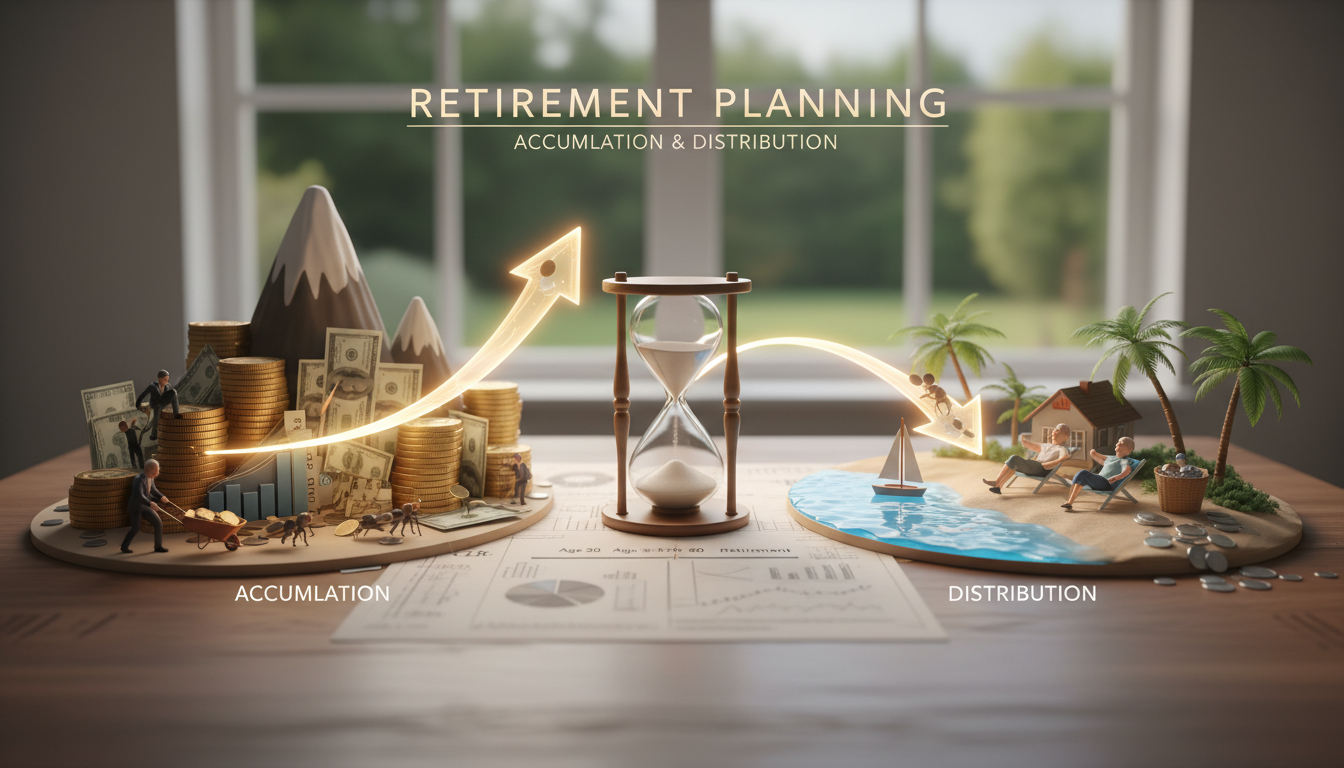
Retirement Planning
Retirement planning is broken into 2 areas: Pre-Retirement and Post-Retirement. Analyzing the tools at your disposal including: Social Security Benefits, Retirement Plans, Restricted Stocks, Pensions (Private and Public), Medicare and others to meet your retirement goals during the three main stages: Go-Go years, Slow-Go years and No-Go years. How we accumulate and how we distribute our wealth can make the difference between an independent life in retirement or having to rely on others.
-

Investment Planning
Wallstreet impacts your investments and retirement. learn how to correctly align your portfolio to your risk tolerance and risk capacity.
Determine the adequate balance of asset classes, such as Equities, Debt Securities, Real Estate, Gold, Silver, and other Alternative Investments. Make sure you are prepared for the market going higher or having a correction.
-

Estate Planning
It is important to have your documentation ready for when the time comes. Because if you don’t the State will make a lot of decisions for you estate. This implies reviewing ownership and title of assets held, reviewing the financial impact of the jurisdiction you live in and reviewing your four key documents: Last Will and Testament, a POA, a Living Will and Trusts.
-

Tax Planning
Taxes are everywhere. This area focuses on reviewing the tools available to you in your jurisdiction to minimize your taxable impact. We typically work with your tax professional to make sure you are taking advantage of all tools and strategies to minimize the impact of taxes on your pocket.
Areas of Advanced Financial Planning
-

Legacy & Multi-Generational Wealth Transfer
When you have accumulated significant assets over the course of your life that are intended to last for generations to come, careful and deliberate planning becomes absolutely essential to protect that wealth. This protection is necessary not only from external threats such as lawsuits but also from internal threats, including the possibility of frivolous spending by descendants several generations down the line. Regularly reviewing and implementing well-crafted strategies to minimize the risks associated with transferring wealth across multiple generations is crucial for ensuring the long-term preservation and survival of your money.
-

Special Needs Planning
Whether it’s autism or recovering from a stroke, sometimes life presents us with challenges that leave us with no alternative but to engage in careful and thoughtful planning. Complex situations like these create the need for planning not only to address financial needs but also to consider the emotional and physical aspects of caring for a loved one. This holistic approach ensures that all facets of their well-being are supported during their lifetime.
-

Charitable Planning and Philanthropy
Creating a Legacy is also about the meaningful and lasting impact you leave on society. Through thoughtful and carefully planned philanthropy, individuals and entities have the opportunity to make a significant difference in their communities while effectively maximizing all the tools and benefits available under our tax code. This strategic approach not only supports important causes but also enhances your financial efficiency and long-term legacy.
-

Non-Traditional Households
Not every home is built the same way, and just because the “State” may not have the ideal legal structure in place for your unique situation does not mean you can’t forge your own financial and legal path. Non-traditional households often require specially tailored guidance to fully understand the complex impact that various life events can have on their finances, legal rights, and overall capacity to manage assets effectively.
-

Executive Benefits & Deferred Compensation
Compensation takes many more forms than just a salary. Whether you are an employee or a business owner, understanding how to effectively use executive benefits to maximize and supercharge your financial success is absolutely key for high-income earners. These benefits provide valuable opportunities to enhance your overall wealth and secure your financial future.
-

Multi-Jurisdictional Planning
This area focuses on reviewing the tools available to you in multiple jurisdictions you operate to minimize your taxable impact. We typically work with your tax and legal professional to make sure you are taking advantage of all tools and strategies to minimize the impact of taxes on your pocket and limit risk exposure.